Mapping Your Customer Value Journey: From Stranger to Loyal Fan
Introduction
Welcome to the wild world of the customer value journey, where every interaction is a stepping stone from being just another face in the crowd to becoming a loyal fan who can’t stop raving about your brand. Imagine this journey as a thrilling roller coaster ride full of ups, downs, and unexpected turns. The goal? To transform those strangers who stumble upon your business into enthusiastic advocates who would go to bat for you at any given moment.
In today’s digital landscape, understanding the customer journey is more crucial than ever. It’s not just about selling a product; it’s about crafting an unforgettable customer experience. From the very first touchpoint to post-purchase follow-ups, every interaction counts. The journey encompasses various stages, each requiring unique strategies tailored to enhance engagement and satisfaction.
But wait! What does this mean for you and your small business? Well, let’s break it down. By mapping out this journey, you can pinpoint where your customers are in their buyer’s journey, identify gaps in your marketing funnel, and optimize for conversion at every stage. Think of it as building a bridge one that connects your brand with your audience through meaningful interactions that foster trust and loyalty.
So buckle up! In this blog post, we’ll explore how to effectively map your customer value journey, ensuring that each step is designed to nurture relationships and build brand loyalty through tailored strategies. Ready to turn those strangers into loyal fans? Let’s dive in!
Understanding the Customer Value Journey
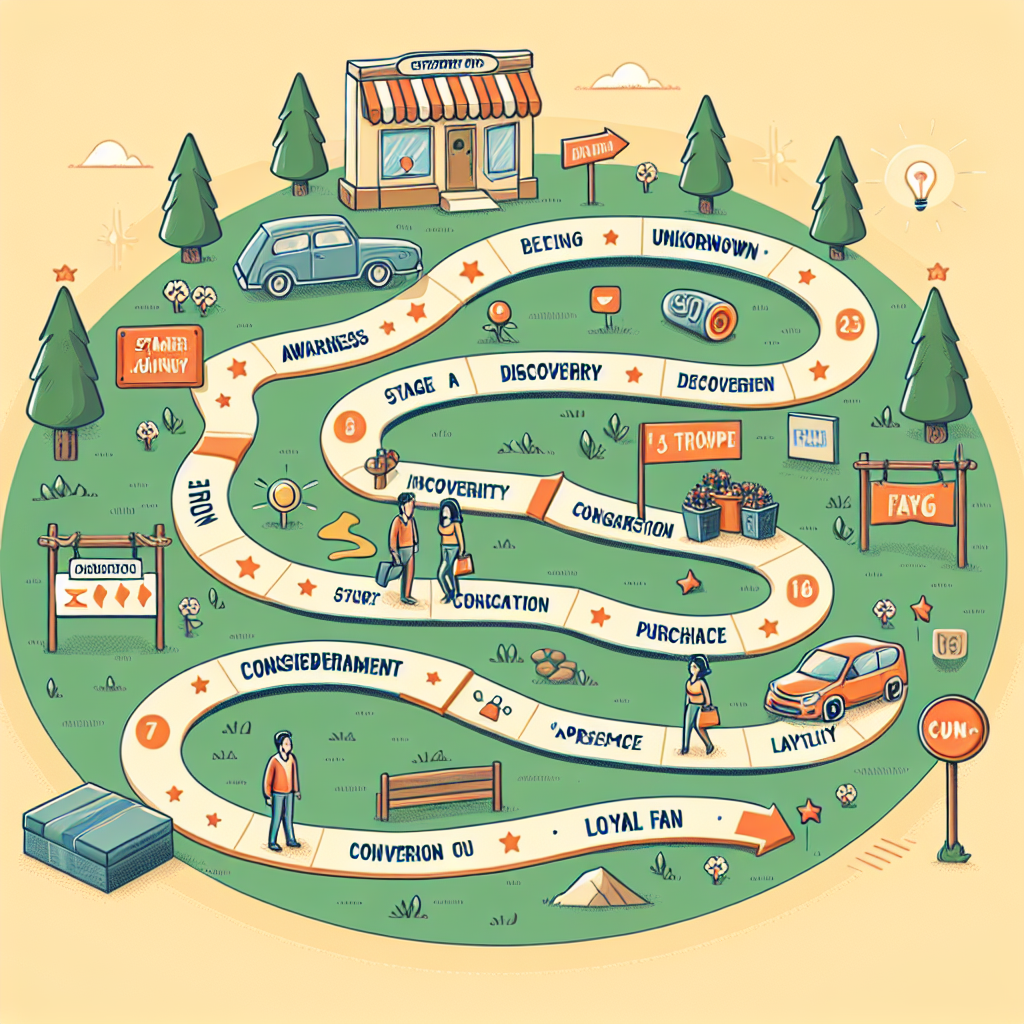
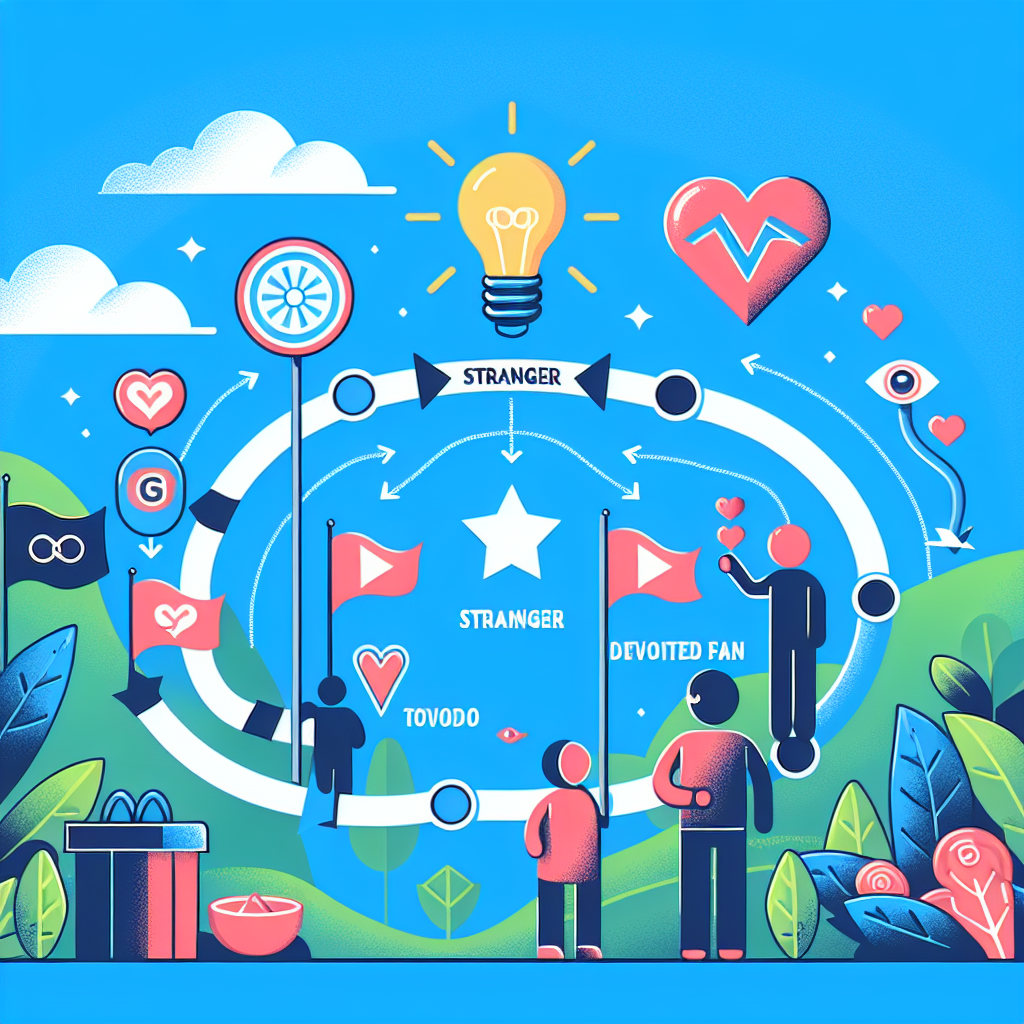
The customer value journey is like a treasure map for businesses, guiding them through the winding paths of customer interactions, from first glance to loyal fan. This journey isn’t just about making a sale; it’s about creating an experience that resonates and builds lasting relationships.
Why is mapping this journey crucial? Because understanding each stage allows businesses to tailor their approach, ensuring they meet customer needs at every turn. It’s not just about the destination; it’s about how you get there!
Definition of Customer Value Journey
The customer value journey refers to the series of stages a customer goes through in their interaction with your brand. It starts when they first become aware of your product or service and continues until they become advocates who share your brand with others. Think of it as a rollercoaster ride there are ups, downs, twists, and turns that shape their overall experience.
Importance of Mapping the Journey
Mapping this journey is essential for several reasons:
- Enhanced Customer Experience: By understanding each stage, you can create tailored experiences that resonate with customers.
- Improved Engagement: Knowing where customers are in their journey allows for more effective communication and engagement strategies.
- Increased Customer Satisfaction: When customers feel understood and valued, they’re more likely to stick around.
- Optimized Marketing Efforts: Targeting specific stages helps refine your marketing funnel and improve conversion rates.
Key Stages of the Journey
The customer value journey comprises several key stages:
- Aware: The customer discovers your brand through various channels advertising, word-of-mouth, or social media.
- Engaged: They interact with your content or offerings, showing interest in what you provide.
- Convert: The moment they make a purchase or sign up for a service this is where magic happens!
- Loyalty: Customers return for repeat purchases and develop an emotional connection with your brand.
- Advocacy: They become champions for your business, sharing their positive experiences with others.
Your goal? To guide customers seamlessly through these stages while ensuring each touchpoint enhances their experience. By doing so, you’ll not only convert strangers into loyal fans but also turn them into passionate advocates who spread the word about your brand!
If you’re ready to dive deeper into each stage of this thrilling ride known as the customer value journey, keep reading! There’s plenty more to uncover that can help elevate your business’s success!
The Stages of the Customer Journey
Understanding the customer value journey is crucial for small businesses aiming to transform casual browsers into loyal fans. Think of it like a rollercoaster ride: there are ups and downs, twists and turns, and each stage is designed to keep your customers engaged and excited. Let’s break down these stages:
-
Awareness Stage
This is where the magic begins! Customers first discover your brand through various channels like social media, search engines, or word-of-mouth. Your goal here is to create strong brand awareness. Utilize eye-catching content and targeted ads to grab attention.
-
Consideration Stage
Now that they know you exist, it’s time for them to weigh their options. They’ll compare your offerings with competitors. This is where your unique value proposition shines! Provide detailed information about your products or services, customer testimonials, and engaging content that addresses their pain points.
-
Decision Stage
Your potential customers are on the brink of making a purchase decision. They might be looking for discounts or additional information before committing. This is the perfect moment to implement effective sales funnel strategies that guide them toward conversion.
-
Loyalty Stage
Congratulations! They’ve made a purchase! But don’t pop the confetti just yet this stage is about building lasting relationships. Engage with them through follow-up emails, loyalty programs, and personalized marketing efforts that enhance their overall experience.
-
Advocacy Stage
This is where your customers turn into brand advocates. Happy customers will share their experiences with friends and family, essentially becoming free marketers for you! Encourage this by creating opportunities for feedback and referrals through well-structured loyalty programs.
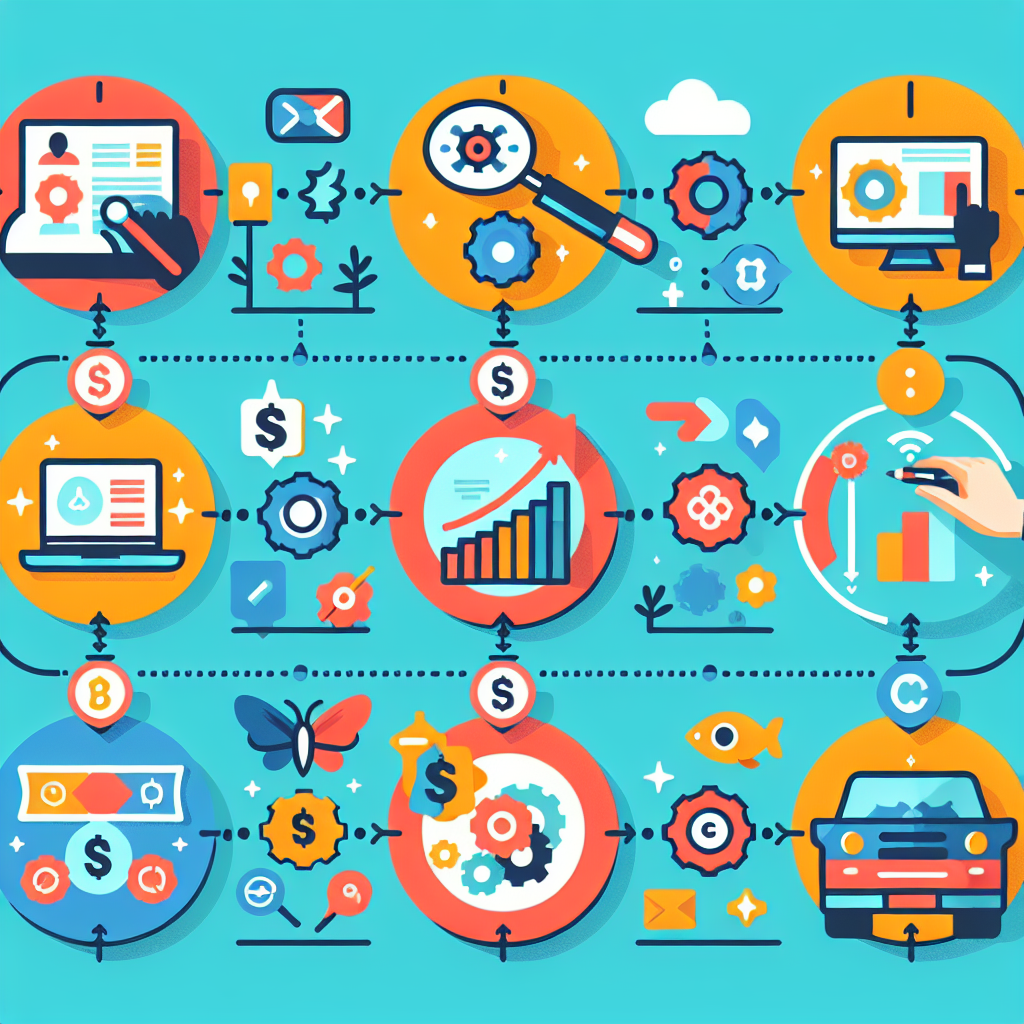
Key Takeaway: Each stage of the customer journey requires tailored strategies that cater specifically to customer needs at that moment. By understanding these stages, you can optimize your marketing efforts for better engagement and satisfaction.
With a clear grasp of these stages in the customer journey, you’re better equipped to manage expectations and enhance overall customer satisfaction. Remember, every touchpoint counts!
Creating a Value Proposition that Resonates
In the vast universe of the customer value journey, your value proposition is like a shining beacon, guiding potential customers through the fog of choices. But how do you craft one that truly resonates? Let’s break it down!
Understanding Your Audience’s Needs
The first step in creating a compelling value proposition is to really understand your audience. Think of it as being a detective in the world of consumer behavior analysis. What keeps them up at night? What are their dreams and aspirations? You need to dig deep and gather insights about your target market.
- Conduct surveys to gauge customer satisfaction.
- Use social media listening tools to catch those candid conversations.
- Analyze customer feedback for recurring themes.
Crafting Compelling Messaging
Your messaging should feel like a warm hug on a cold day inviting and reassuring. It’s not about what you sell; it’s about how it makes life better for your customers. Here are some tips:
- Simplify Your Message: Avoid jargon; keep it straightforward.
- Highlight Benefits Over Features: Customers care more about how your product improves their lives than the technical specs.
- Create an Emotional Connection: Use storytelling to engage your audience on an emotional level. Share testimonials or case studies that illustrate success stories.
Aligning Business Objectives with Customer Expectations
Your value proposition should not only resonate with customers but also align with your business goals. It’s like a dance both partners need to be in sync! Consider these strategies:
- Set Clear Objectives: Know what you want to achieve be it brand awareness, lead generation, or customer loyalty.
- Create Alignment Workshops: Involve different departments (marketing, sales, customer service) to ensure everyone understands the value proposition.
- Test and Iterate: Use A/B testing to see which messages resonate best during different stages of the sales funnel stages.
The magic happens when you find that sweet spot where your audience’s needs meet your business objectives. By weaving together these elements, you’ll create a value proposition that not only attracts attention but also fosters long-term relationships throughout the entire customer lifecycle.
Enhancing Customer Experience Across Touchpoints
In the grand adventure of the customer value journey, every interaction is a potential plot twist. Think of each touchpoint as a chapter in a thrilling novel, where you can either hook your reader or lose them in the pages. So, how do we ensure that our customers are glued to the story? Let’s dive into some strategies that can enhance their experience across all touchpoints!
Identifying Key Touchpoints in the Customer Journey
The first step is to map out the critical touchpoints in your customer journey. These are the moments when customers interact with your brand, whether online or offline. Common touchpoints include:
- Your website and landing pages
- Social media channels
- Email communications
- In-store experiences
- Customer service interactions
Understanding where these interactions occur allows you to tailor experiences that resonate with your audience, making it easier for them to navigate their buyer’s journey.
Strategies for Improving User Experience at Each Touchpoint
Once you’ve identified these key moments, it’s time to sprinkle some magic dust on them! Here are a few strategies:
- Simplify Navigation: Make sure your website is user-friendly. If customers can’t find what they’re looking for within three clicks, they might just click away.
- Engage on Social Media: Respond promptly and authentically to comments and messages. This builds an emotional connection with customers and shows you value their input.
- Email Personalization: Use customer insights to send tailored emails that speak directly to their interests or previous interactions.
- Create Memorable In-Store Experiences: Train staff to provide exceptional service and create an inviting atmosphere that reflects your brand values.
The Role of Personalization in Customer Engagement
If there’s one thing we’ve learned from Netflix, it’s that personalization works wonders! By leveraging data analytics, businesses can create customized experiences that resonate deeply with individual customers. Here’s how:
- User Behavior Tracking: Analyze past purchases and browsing habits to recommend products or services tailored to each customer’s preferences.
- Loyalty Programs: Implement programs that reward repeat purchases while also gathering valuable customer insights.
- A/B Testing: Experiment with different marketing messages or layouts at various touchpoints to see what resonates best with your audience.

Takeaway: Enhancing customer experience across touchpoints isn’t just about making things pretty; it’s about creating seamless interactions that foster loyalty and satisfaction throughout the entire customer lifecycle!
The key takeaway here is simple: by understanding your audience’s needs at every stage of their journey and implementing targeted strategies for engagement, you can turn casual shoppers into lifelong fans. So go ahead make those touchpoints shine!
Nurturing Leads through the Buyer’s Journey
Nurturing leads through the buyer’s journey is like being a seasoned tour guide in the theme park of customer value journey. Each stage is a new ride, and your job is to ensure that your visitors have an unforgettable experience one that keeps them coming back for more!
So, what does this nurturing process look like? Let’s break it down:
- The Lead Nurturing Process Explained: This involves guiding potential customers from their first interaction with your brand all the way to making a purchase, and beyond. Think of it as a series of carefully crafted touchpoints that cater to their needs and questions at every stage.
- Tactics for Effective Engagement and Retention Strategies:
- Email Marketing: Send personalized emails that address specific interests or behaviors. Did they browse a certain product? Send them tailored content or special offers related to that product.
- Content Marketing: Create valuable content that resonates with your audience’s pain points. Blog posts, videos, and infographics can help build trust and authority.
- Social Media Engagement: Engage with leads on social platforms. Respond to comments, share user-generated content, or even run polls to gather insights about their preferences.
- The Importance of Feedback Loops for Continuous Improvement: Establishing feedback loops is paramount in optimizing your customer engagement strategies. Regularly solicit feedback through surveys or direct outreach. This not only improves customer satisfaction but also helps you refine your value proposition as you adapt to changing consumer behavior.
Key Takeaway: Nurturing leads isn’t just about pushing products; it’s about building relationships through personalized marketing strategies that resonate with their journey. The better you understand their needs, the more effectively you can guide them toward becoming loyal fans.
Optimizing Conversion and Building Loyalty Programs
When it comes to the customer value journey, the difference between a one-time buyer and a loyal fan often boils down to how well you optimize conversions and build loyalty programs. Think of it like a first date; you want to impress, but you also want to leave them wanting more.
The Marketing Funnel and Conversion Optimization Techniques
The marketing funnel is your trusty roadmap through the customer journey. It’s where potential customers start their journey as strangers and gradually move towards becoming loyal fans. Here are some key techniques to optimize conversions at each stage:
- Awareness: Use targeted ads and SEO strategies to increase brand visibility.
- Interest: Create engaging content that resonates with your audience’s needs.
- Desire: Showcase testimonials or case studies to build trust.
- Action: Simplify the checkout process no one likes a complicated first date!
Implementing Brand Loyalty Programs for Long-term Success
Loyalty programs are like the secret sauce in your marketing mix. They not only reward customers for their purchases but also enhance their overall experience, making them feel valued. Here’s how to craft an effective loyalty program:
- Create tiered rewards: Encourage customers to reach higher levels of loyalty with increasingly attractive benefits.
- Personalize offers: Use customer insights to tailor rewards based on individual preferences.
- Engage through multiple channels: Implement both online and offline strategies for maximum reach think email newsletters, social media shoutouts, or in-store perks.
An Overview of Cross-Channel Marketing Strategies
A robust cross-channel marketing strategy ensures that your brand message is consistent across all platforms, enhancing brand awareness and advocacy. Here are some tips for effective integration:
- Synchronize messaging: Ensure your campaigns across email, social media, and in-store promotions align seamlessly.
- Utilize customer data: Leverage analytics from various touchpoints in the customer journey to refine your approach continuously.
- Create a unified experience: Make transitions between channels as smooth as possible no one likes awkward silences!
The key takeaway here? A well-structured approach to optimizing conversion alongside robust loyalty initiatives can turn casual shoppers into enthusiastic brand advocates. So get ready to roll out those red carpets your loyal fans are waiting!
The Role of Data-Driven Insights in Enhancing Customer Relationships
In today’s fast-paced digital landscape, the customer value journey is more than just a roadmap; it’s a treasure map leading to the goldmine of customer loyalty. But how do you navigate this journey effectively? Enter data-driven insights, your trusty compass!
- Analyzing Consumer Behavior to Improve Marketing Efforts: Understanding your audience’s behavior is like having a cheat sheet for the exam of customer engagement. By analyzing data from various touchpoints in the customer journey, you can tailor your marketing strategies to meet their needs and preferences. For example, if you notice that customers frequently abandon their carts at checkout, it might be time to simplify that process or offer incentives.
- Leveraging Data to Maximize Return on Investment: Want to get the most bang for your buck? Use analytics! By measuring metrics such as customer acquisition cost and conversion rates, you can identify which marketing channels are delivering results and which ones are just taking up space in your budget. This way, you can allocate resources more effectively and boost your ROI.
- Adapting to Industry Changes through Innovative Technologies: The only constant in business is change especially in consumer behavior! Staying ahead means embracing innovative technologies that provide real-time insights into market trends. Whether it’s using AI for predictive analytics or employing CRM systems for better data management, being adaptable will enhance your customer relationships significantly.
Key Takeaway: Data-driven insights not only illuminate the path of the customer value journey but also empower businesses to create personalized marketing experiences that resonate with their audience. By leveraging these insights effectively, you’re not just selling a product; you’re building lasting relationships!
