

How to Build a Consistent Lead Generation Machine for Your Small Business
Introduction
Welcome to the world of small business lead generation, where the quest for customers is as thrilling as a treasure hunt! In today’s digital age, it’s not just about throwing spaghetti at the wall and seeing what sticks. Nope! It’s all about crafting a well-oiled lead generation machine that consistently churns out potential customers like a pro chef whipping up pasta.
So, why should you care about lead generation strategies? Well, think of it this way: without leads, your small business is like a car without gas. You might look good parked in the driveway, but you’re not going anywhere fast! Whether you’re running a brick-and-mortar shop or offering professional services, mastering the art of customer acquisition strategies is crucial.
In this blog post, we’re diving deep into practical tips and tricks that will help you build your very own lead generation machine. From understanding the nuances of inbound lead generation to exploring the wild world of outbound lead generation, we’ve got you covered! Plus, we’ll sprinkle in some insights on how to optimize your sales funnel to ensure those leads transform into loyal customers.
But wait, there’s more! We’ll also explore how digital marketing for small businesses can elevate your game think social media lead generation tactics and email marketing for small businesses that actually work. You’ll learn how to leverage technology like CRM tools and automated marketing solutions to give your efforts a turbo boost.

Buckle up as we embark on this journey together your small business is about to get a serious upgrade in its lead generation game!
Understanding Small Business Lead Generation
Welcome to the bustling world of small business lead generation, where the quest for potential customers is as thrilling as a treasure hunt! But what exactly is lead generation? In simple terms, it’s the process of attracting and converting prospects into someone who has shown interest in your company’s product or service. Think of it as planting seeds in a garden; with the right care, those seeds can blossom into fruitful relationships.
Now, you might be wondering why this whole lead generation thing is so crucial for small businesses. Well, let’s break it down:
- Customer Acquisition: Without leads, your business is like a ship without a sail. You need a steady stream of potential customers to keep your revenue flowing.
- Brand Awareness: Effective lead generation strategies not only attract prospects but also help build your brand’s presence in the market.
- Sales Funnel Optimization: By understanding where leads come from and how they interact with your business, you can fine-tune your sales funnel for maximum efficiency.
So, what are these magical lead generation strategies that everyone raves about? Let’s take a quick tour!
Diving Into Lead Generation Strategies
The world of lead generation isn’t one-size-fits-all; it’s more like a buffet where you can pick and choose what suits your taste! Here’s an overview:
- Inbound Lead Generation: Attracting customers through valuable content and experiences tailored to their needs. Think blogs, social media posts, and SEO for small businesses!
- Outbound Lead Generation: Reaching out directly to potential customers through methods like cold calling techniques or targeted ads (hello, Google Ads for small business leads!).
- Email Marketing: Crafting engaging emails that speak directly to your audience’s pain points can turn cold leads warm and eventually hot!
- Social Media Lead Generation: Using platforms like Facebook and LinkedIn to connect with prospects because who doesn’t love scrolling through their feed?
- Content Marketing: Developing informative content that positions you as an expert in your field while nurturing leads effectively.
Key Takeaway: Understanding small business lead generation is vital for building lasting customer relationships and driving sales. Explore various strategies to find what works best for you!
Lead Generation Strategies for Small Businesses
When it comes to small business lead generation, having a toolkit of effective strategies is crucial. Think of it as your secret stash of marketing goodies that can help you attract, engage, and convert potential customers. Here are some tried-and-true lead generation strategies that can work wonders for your small business.
Inbound Lead Generation Techniques
Inbound marketing is like inviting guests to a party rather than chasing them down the street. Here are some effective techniques:
- Content Marketing: Create valuable, relevant content that addresses your audience’s pain points. Blog posts, videos, and infographics can draw potential leads in like moths to a flame.
- SEO for Small Businesses: Optimize your website with targeted keywords to improve visibility on search engines. This means using local SEO strategies to ensure you pop up when someone nearby searches for services you offer.
- Social Media Lead Generation: Leverage platforms like Facebook and LinkedIn to share engaging content and interact with your audience. Use eye-catching visuals and compelling calls-to-action (CTAs) to drive traffic back to your site.
Outbound Lead Generation Techniques
If inbound is the friendly neighbor approach, outbound is more like the enthusiastic salesperson knocking on doors. Here are some tactics:
- Email Marketing for Small Businesses: Craft personalized email campaigns that speak directly to your leads’ interests. Remember, nobody likes spam so make it relevant!
- Cold Calling Techniques for Small Business: While it may seem old-fashioned, a well-timed call can still work wonders. Just make sure you do your homework on the prospect first.
- PPC Advertising for Small Business Leads: Invest in Google Ads or Facebook Ads targeting specific demographics to capture leads actively searching for services like yours.
Nurturing Leads Effectively
Nurturing leads is about building relationships over time rather than rushing into a sale. Use these strategies:
- Email Automation Solutions: Set up automated workflows that send targeted content based on where leads are in the sales funnel.
- Webinar Marketing Strategies: Host informative webinars that provide value while subtly promoting your services as solutions.
- Retargeting Ads Strategy for Leads: Use retargeting ads to remind visitors about what they left behind like an abandoned shopping cart or a service they were interested in!
Optimizing Your Sales Funnel for Better Conversion Rates
Imagine your sales funnel as a thrilling amusement park ride. At the top, you have potential leads eagerly waiting to hop on, but how do you ensure they stay engaged and make it through to the exit with a purchase? This is where sales funnel optimization comes into play. Let’s break down how to turn those curious visitors into loyal customers.
Understanding the Sales Funnel Stages
The sales funnel is typically divided into three main stages: Awareness, Consideration, and Decision. Think of it like a dating app:
- Awareness: This is where potential leads first hear about you like swiping right on a profile.
- Consideration: Here, they start to learn more about your offerings akin to chatting and getting to know each other better.
- Decision: Finally, they decide whether to commit like going on that first date!
Sales Funnel Optimization Techniques
Now that we understand the stages, let’s dive into some killer techniques for optimizing your sales funnel:
- Create Compelling Landing Pages: Use landing page optimization tips to ensure your pages are attractive and persuasive. Include clear calls-to-action (CTAs) that guide users toward conversion.
- A/B Testing: Regularly test different elements of your pages from headlines to button colors to see what resonates best with your audience.
- Email Nurturing Campaigns: Use email marketing for small businesses to keep leads engaged. Provide valuable content that addresses their pain points while gently nudging them toward making a purchase.
- Retargeting Ads Strategy: Implement retargeting ads for leads who didn’t convert immediately. Remind them of what they’re missing out on!
Nurturing Leads Effectively Through the Funnel
Nurturing leads is crucial for maintaining interest throughout the sales process. Here are some effective strategies:
- Create Buyer Personas: Understand who your ideal customers are so you can tailor your messaging accordingly.
- Leverage Content Marketing: Share insightful blog posts or videos that educate potential customers about their needs and how your product can help.
- User-Friendly CRM Tools: Utilize CRM tools for small businesses to track interactions and tailor follow-ups based on lead behavior.
- Email Sequences: Develop automated email sequences that provide value at each stage of the funnel think of it as guiding them through a well-planned tour!
The Role of Digital Marketing in Lead Generation
In the ever-evolving world of small business lead generation, digital marketing is like that trusty Swiss Army knife versatile, efficient, and absolutely essential. Whether you’re a brick-and-mortar store or a service-based enterprise, leveraging digital marketing can supercharge your lead generation efforts.
SEO Strategies for Small Businesses
First up, let’s talk about Search Engine Optimization (SEO). Think of it as the magical key that unlocks the doors to organic traffic. By optimizing your website for relevant keywords, including our star player, small business lead generation, you can attract potential customers actively searching for your services. Here are some quick SEO tips:
- Focus on local SEO strategies to capture nearby customers.
- Create high-quality content that answers common questions in your industry.
- Optimize your website speed and mobile responsiveness to enhance user experience.
PPC Advertising for Small Business Leads
If SEO is the long game, then Pay-Per-Click (PPC) advertising is your turbo boost. With platforms like Google Ads and Facebook Ads, you can target specific demographics and locations to drive immediate traffic. Here’s how to make PPC work for you:
- Create compelling ad copy with effective call-to-action (CTA) phrases.
- Utilize retargeting ads to reach users who have previously visited your site.
- Experiment with different ad formats try video ads or carousel ads to engage users creatively.
Networking and Referral Marketing Strategies
Never underestimate the power of good old-fashioned networking! Building relationships within your community can lead to fruitful referrals. Pair this with digital strategies like:
- Hosting webinars or workshops that showcase your expertise while collecting leads.
- Partnering with complementary businesses for co-marketing opportunities.
- Encouraging satisfied customers to leave reviews or refer friends through referral marketing strategies.
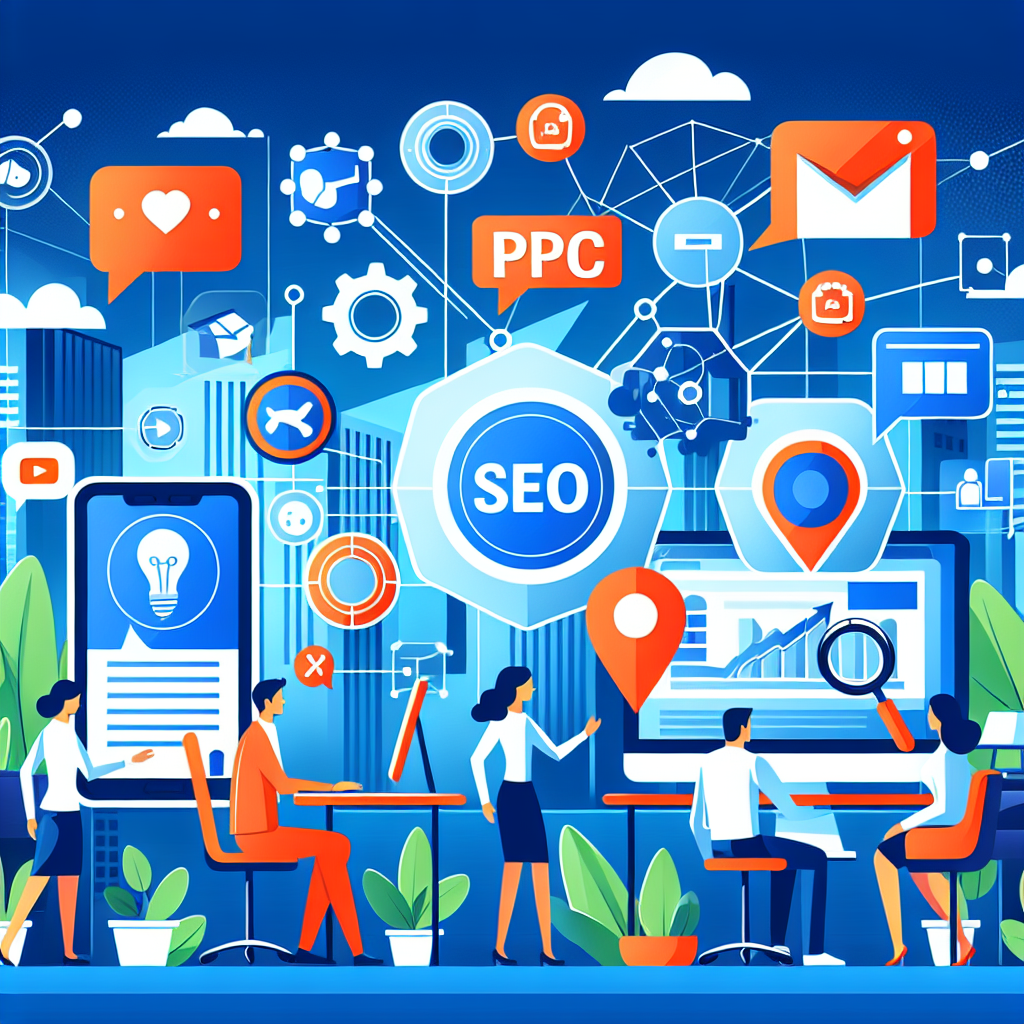
Key Takeaway: Digital marketing isn’t just an add-on; it’s a fundamental part of effective small business lead generation. By combining SEO, PPC advertising, and networking strategies, you can create a robust system that continuously attracts new leads while nurturing existing ones.
As you implement these digital marketing techniques into your lead generation strategy, remember: it’s all about consistency and optimization. Regularly analyze your efforts using analytics data insights from platforms like Google Analytics or Facebook Insights to track ROI on lead generation efforts effectively!
Leveraging Technology and Tools for Lead Generation Success
In the fast-paced world of small business lead generation, technology is your best friend. Just like a trusty sidekick in a superhero movie, the right tools can help you save the day (and your sanity) when it comes to finding new customers. Let’s explore some essential technologies and tools that can supercharge your lead generation efforts.
CRM Tools for Small Businesses
Customer Relationship Management (CRM) systems are like digital filing cabinets for your leads. They help you organize, track, and nurture potential customers throughout their journey. Popular options include:
- HubSpot: Great for inbound marketing with features that integrate seamlessly with email marketing and social media.
- Zoho CRM: A budget-friendly option that offers robust customization and analytics.
- Salesforce: The heavyweight champion of CRMs, perfect for businesses ready to scale but can be a bit overwhelming for newcomers.
Key Takeaway: Investing in a good CRM tool can streamline your sales process and improve customer interactions, which is vital for effective small business marketing.
Email Automation Solutions and Best Practices
Email marketing remains one of the most effective channels for small business lead generation. With automation tools like Mailchimp or ActiveCampaign, you can send targeted messages to segmented audiences without lifting a finger! Here are some tips to maximize your email efforts:
- Personalization: Tailor your emails based on user behavior or preferences to increase engagement.
- Segmentation: Divide your audience into groups based on demographics or interests for more relevant messaging.
- A/B Testing: Experiment with different subject lines, content formats, or CTA buttons to see what resonates best.
A/B Testing and Conversion Rate Optimization Tools
A/B testing is like having a crystal ball that shows you what works best in real time. Tools such as Optimizely or Google Optimize allow you to test variations of landing pages or ads to see which ones convert better. This is crucial because even small tweaks can result in significant increases in conversion rates!
The average conversion rate for A/B tested campaigns is 49% higher than those that are not tested.
The key here is not just to test but also to analyze the results carefully. Use analytics data insights from platforms like Google Analytics or Facebook Insights to understand user behavior better and refine your strategies accordingly.
The Power of Automation
Automated marketing solutions are game-changers for small businesses looking to scale their lead generation efforts efficiently. Whether it’s sending out follow-up emails after a webinar or retargeting ads on social media, automation saves time while keeping leads engaged.
Nurturing Leads Effectively: Use automated workflows to ensure no lead falls through the cracks by providing timely follow-ups based on their actions.
In conclusion, leveraging technology is not just about keeping up with trends; it’s about making informed decisions that drive results. By integrating these tools into your small business lead generation strategy, you’ll find yourself not only attracting more leads but also converting them into loyal customers!
Building a Customer Database Effectively
Imagine your customer database as a treasure chest, filled with valuable insights and connections that can drive your small business lead generation efforts. But how do you build this treasure trove effectively? Here are some strategies to ensure your database is not just a collection of names but a dynamic tool for growth.
1. Choose the Right CRM Tool
The first step in building an effective customer database is selecting a Customer Relationship Management (CRM) tool that fits your needs. A good CRM will help you manage contacts, track interactions, and analyze data. Look for features like:
- User-friendly interface
- Integration capabilities with other tools (like email marketing platforms)
- Reporting and analytics features
Key Takeaway: Popular CRM options for small businesses include HubSpot, Zoho, and Salesforce Essentials. They offer scalable solutions tailored to your growth.
2. Capture Data Strategically
Your database is only as good as the data you feed it. Use multiple channels to capture information:
- Website Forms: Optimize landing pages with forms that ask for essential details in exchange for valuable content (think eBooks or webinars).
- Email Signups: Offer exclusive deals or newsletters to encourage signups.
- Social Media Engagement: Use social media lead generation tactics to gather insights from interactions.
3. Segment Your Database
A one-size-fits-all approach doesn’t work in marketing. Segmenting your customer database allows you to tailor communications based on specific criteria such as:
- Demographics (age, location)
- Purchase history
- User behavior on your website
This segmentation enables targeted campaigns that resonate more effectively with each group, enhancing conversion rates.
4. Nurture Your Leads
A robust customer database is useless if you don’t nurture those leads effectively. Implement strategies like:
- Email Marketing: Send personalized emails based on user behavior and preferences.
- Social Media Retargeting: Use retargeting ads to remind potential customers of their interest in your products or services.
- Webinar Marketing Strategies: Host webinars that provide value while subtly promoting your offerings.

5. Track ROI on Lead Generation Efforts
You need to know what’s working and what’s not! Regularly analyze the performance of your lead generation strategies using analytics tools like Google Analytics or CRM reports. Look for key metrics such as:
- Total leads generated
- The cost per acquisition (CPA)
- The conversion rate from leads to customers
Cautionary Note: Avoid common pitfalls like neglecting data hygiene regularly clean up duplicates or outdated contacts in your database!
Your customer database is more than just names and emails; it’s the foundation of effective small business marketing strategies. By choosing the right tools, capturing data strategically, segmenting effectively, nurturing diligently, and tracking ROI meticulously, you’ll create a powerhouse for driving consistent leads into your sales funnel!
Nurturing Leads and Tracking ROI on Efforts
Nurturing leads is like tending to a garden it requires patience, care, and the right tools to cultivate growth. In the realm of small business lead generation, nurturing effectively can turn casual interest into committed customers. But how do you track the success of your efforts? Let’s dig in!
Understanding Lead Nurturing
Lead nurturing involves building relationships with potential customers at every stage of the sales funnel. It’s not just about making a sale; it’s about creating a connection that lasts. Here are some effective strategies:
- Email Campaigns: Use targeted email marketing for small businesses to send personalized content that addresses specific pain points.
- Social Media Engagement: Leverage social media lead generation by interacting with leads through comments, messages, and shares.
- Content Marketing: Share valuable content that educates your audience, positioning your brand as an authority in your field.
Tracking ROI on Lead Generation Efforts
Now, onto the numbers! Tracking ROI (Return on Investment) is crucial for understanding which lead generation strategies are worth your time and money. Here’s how you can effectively measure it:
- Set Clear Goals: Define what success looks like for you whether it’s a certain number of leads or sales conversions.
- Use Analytics Tools: Platforms like Google Analytics and Facebook Insights provide valuable data on user behavior and campaign performance.
- Calculate Your Costs: Keep track of all expenses related to your lead generation efforts including PPC advertising for small business leads, CRM tools, and content creation costs.
- Measure Conversions: Track how many leads convert into paying customers using conversion rate optimization techniques. This will give you insight into which methods are most effective.
- A/B Testing: Regularly test different approaches in your campaigns to see what resonates best with your audience.
Did you know? According to HubSpot, companies that excel at lead nurturing generate 50% more sales-ready leads at 33% lower cost!
The Importance of CRM Tools
A robust CRM (Customer Relationship Management) tool can be a game changer for tracking ROI and nurturing leads effectively. These tools help manage customer interactions and data throughout the customer lifecycle, enhancing relationships and driving sales growth.
A Final Thought
Nurturing leads isn’t just about pushing for a sale; it’s about creating lasting relationships. By tracking your ROI meticulously, you’ll not only understand what works but also refine your approach over time. So roll up those sleeves, get nurturing, and watch as your small business thrives!
Conclusion
Building a consistent small business lead generation machine is like crafting a fine dish; it requires the right ingredients, timing, and a dash of creativity. By implementing the lead generation strategies discussed, you’ll not only fill your sales pipeline but also nurture those leads into loyal customers. Remember, it’s not just about attracting potential clients but also about engaging them effectively.
Let’s recap some key takeaways:
- Understand Your Audience: Use buyer personas to tailor your campaigns and maximize conversions.
- Diverse Strategies: Mix inbound and outbound lead generation techniques to reach a wider audience.
- Optimize Your Sales Funnel: Ensure each stage is designed for maximum conversion with effective nurturing strategies.
- Leverage Technology: Utilize CRM tools and automated marketing solutions to streamline your processes.
- Measure and Adjust: Regularly track ROI on your lead generation efforts to refine your strategies continuously.
Tangible Next Steps:
- Create or refine your customer database using effective online lead generation techniques.
- Test different landing page optimization tips to see what converts best for your audience.
- Dive into social media platforms with targeted ads think Facebook Ads targeting tips or LinkedIn lead generation tactics!
- Consider hosting webinars or partnering with influencers to expand your reach.
Your journey towards mastering small business lead generation doesn’t end here. Stay curious, keep experimenting, and don’t hesitate to pivot when something isn’t working. The digital marketing landscape is ever-evolving, but with the right strategies in place, you’ll be well-equipped to thrive in it!